Professional Planting Services in Croton Falls, NY
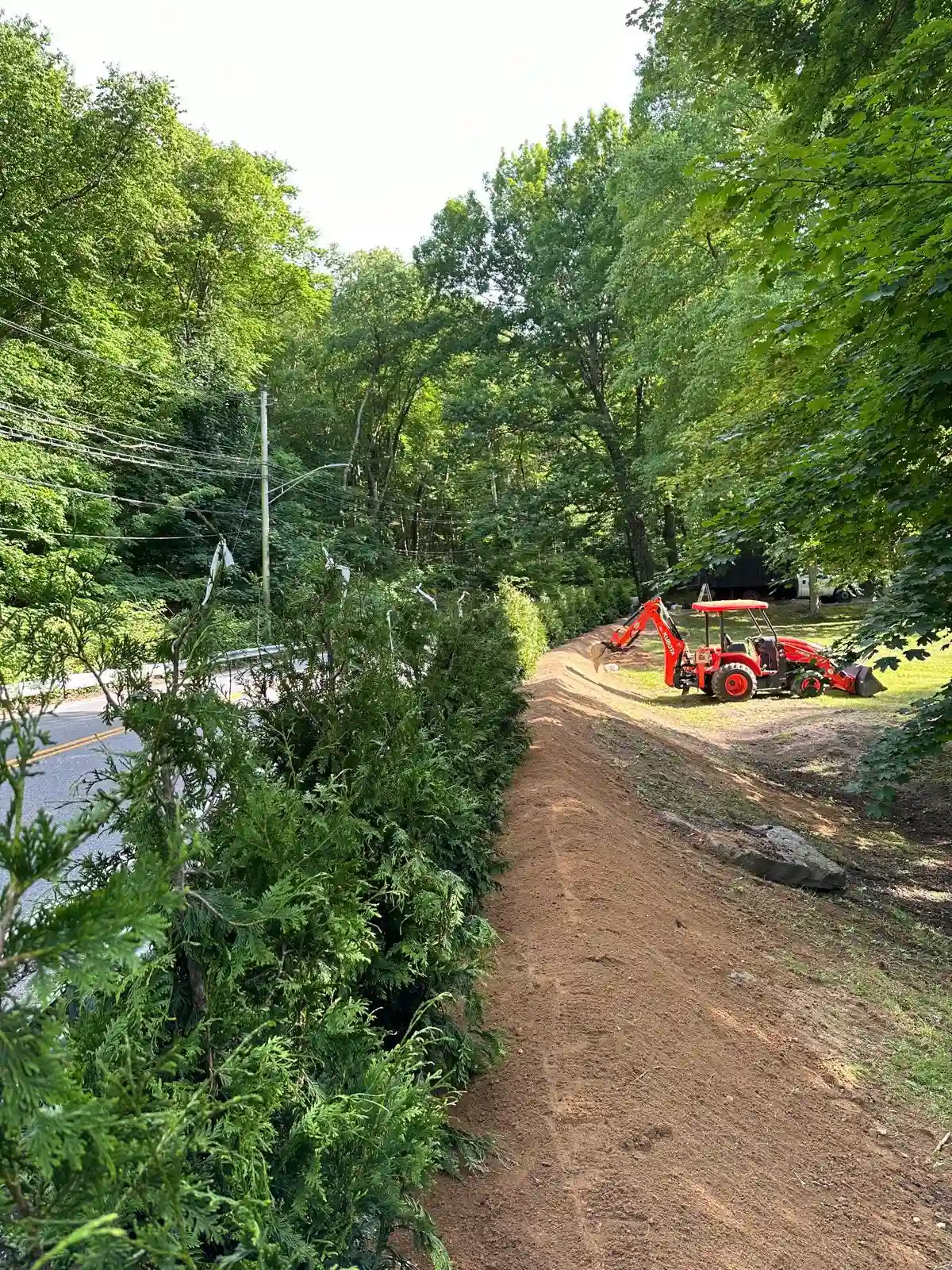
Croton Falls's rocky North Salem terrain creates planting conditions that distinguish this community from the more fertile soil environments of southern Westchester. Thin soils over bedrock limit planting depth on many Croton Falls properties — requiring soil depth assessment before installation and species selection adapted to shallow, rocky soil conditions. The acidic pH created by conifer needle and oak leaf litter throughout North Salem's woodland limits the pH range that successful plants must tolerate. And significant deer pressure in this rural community makes deer resistance a primary species selection criterion. Morales Lawn & Garden brings the local knowledge to navigate all three of these conditions effectively.
Site Assessment and Native Planting in Croton Falls
Soil depth assessment is the critical first step for any planting project in Croton Falls, where bedrock proximity can limit available soil depth to as little as 6 to 8 inches in rocky areas. Plants that require deep, well-developed root systems — most trees, many larger shrubs — cannot establish successfully in soil depths insufficient for their root architecture. We probe soil depth before recommending any planting for Croton Falls properties, identifying locations with adequate depth for the proposed plants and redirecting to appropriate alternatives in locations where depth constraints limit the viable plant options.
Native planting appropriate for Croton Falls's rocky, acidic highland conditions includes species that evolved in these specific soil and climate conditions — mountain laurel, native lowbush blueberry, chokecherry, spicebush, and native ferns all thrive in the rocky, acidic North Salem environment. These native species require minimal soil amendment compared to non-native ornamentals that are being introduced to conditions outside their natural range — reducing establishment inputs and long-term care demands for Croton Falls homeowners who prefer low-maintenance landscape approaches.
Deer-Resistant Planting Programs for Croton Falls
Deer browse is a defining constraint on ornamental planting success in Croton Falls, where the deer population is substantial and access to residential landscapes is largely unrestricted. We approach every Croton Falls planting project with deer pressure as a primary species selection filter — not a secondary consideration. Plants that deer consistently browse — yew, arborvitae, hosta, and rhododendron — are not recommended for unprotected Croton Falls locations regardless of how aesthetically desirable they might be. We direct Croton Falls homeowners toward the reliable deer-resistant palette that performs without protection in North Salem's conditions.
Deer-resistant native species for Croton Falls include plants that combine ecological appropriateness for the rocky highland environment with the browse resistance that is necessary for unprotected planting survival. Native inkberry provides year-round structure and wildlife value in moist to average conditions. Mountain laurel is both native to the North Salem habitat and reliably avoided by deer in established populations. Native ferns — cinnamon fern, interrupted fern, and Christmas fern — provide textural groundcover in shaded areas where deer do not browse. We recommend from this proven deer-resistant native palette for every Croton Falls planting project.
Professional Planting for Croton Falls's Rural Highland Character
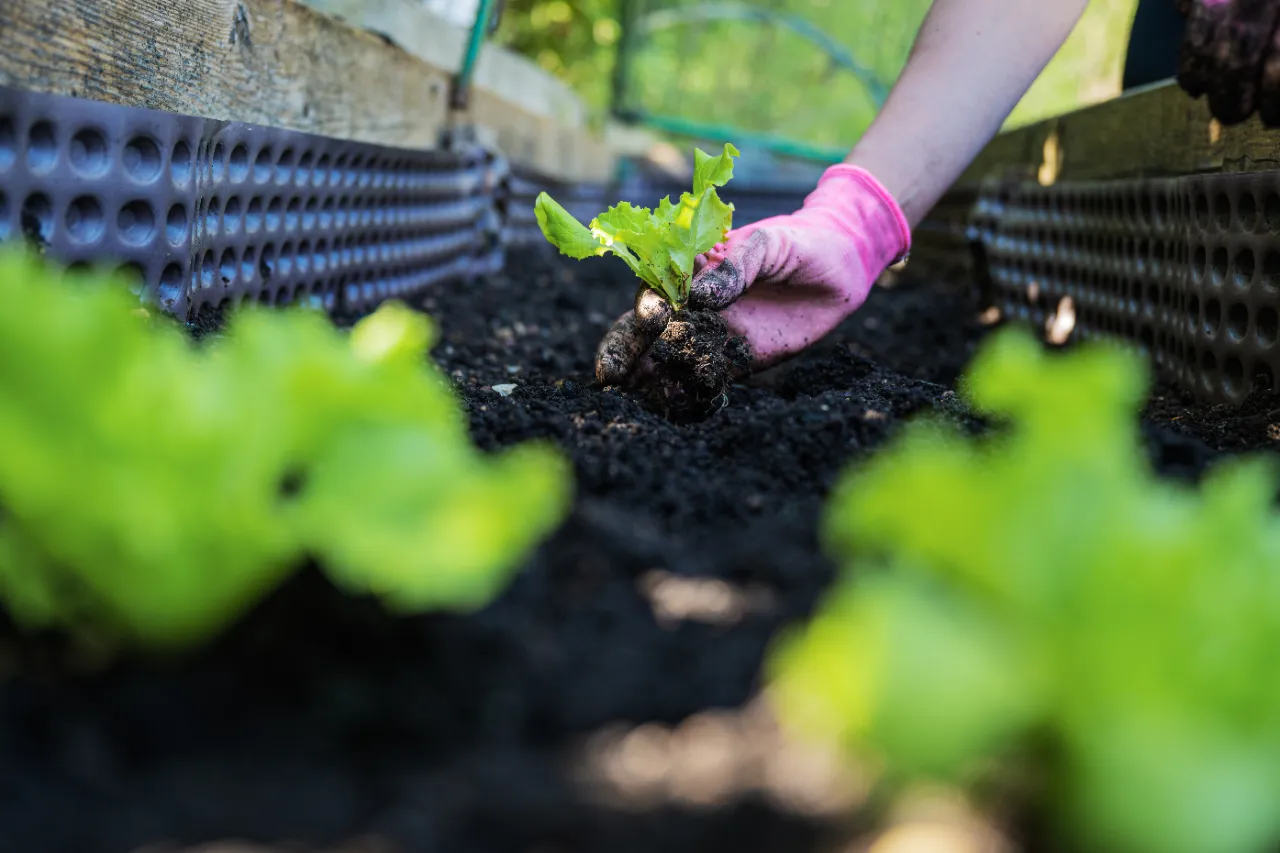
Croton Falls homeowners benefit from professional planting that applies the specific knowledge that this community's rocky, acidic, deer-pressured highland conditions require. Generic ornamental plant lists that ignore soil depth, pH, and deer pressure produce planting failures that are costly in both plant replacement and the homeowner's ongoing frustration with landscape investment that does not survive. Professional planting that begins with accurate site assessment and ends with species genuinely matched to Croton Falls's conditions produces landscapes that establish and thrive with minimal ongoing care.
Post-installation establishment support for new Croton Falls plantings includes watering guidance appropriate for the faster-draining conditions of rocky terrain, deer protection recommendations for any species being introduced that may face browse pressure before establishing, and follow-up monitoring during the first growing season to identify any establishment concerns while correction is still possible. We treat installation as the beginning of our relationship with a new Croton Falls planting project — not the end of it.