Professional Planting Services in Carmel, NY
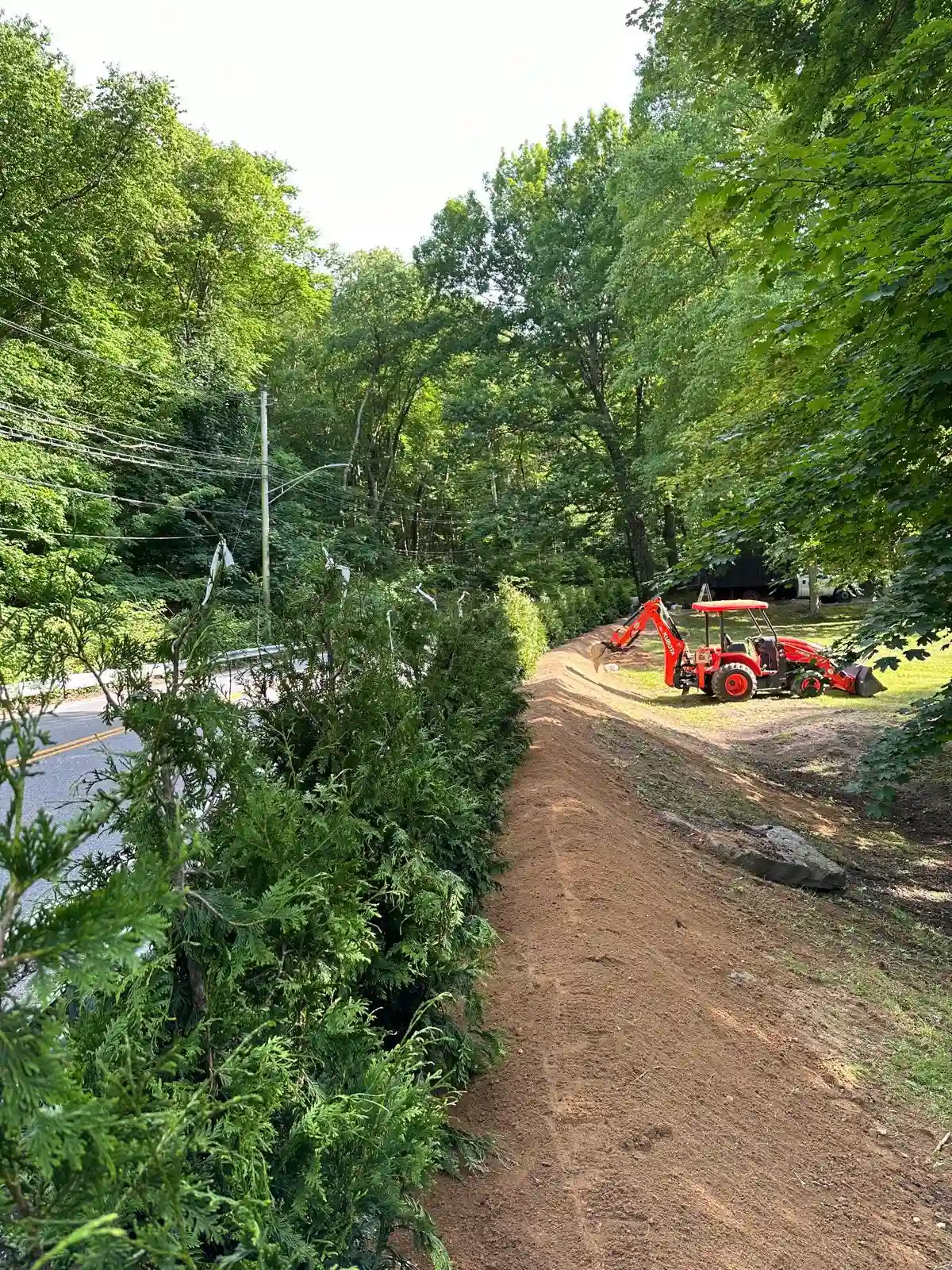
Carmel's diversity of property types — lakefront communities, hillside residential lots, and rural wooded parcels — creates a planting service environment where site conditions vary dramatically between properties in the same community. Lakefront properties near Lake Gleneida have moisture-enriched conditions that support plants that would struggle on drier inland sites. Hillside properties throughout the inland sections of the Town have microclimates determined by slope orientation — south-facing slopes that are dry and sun-exposed versus north-facing slopes that retain moisture. Morales Lawn & Garden provides planting services throughout Carmel with the site assessment approach that this diversity requires.
Lakefront and Riparian Planting in Carmel
Planting on Carmel's lakefront properties near Lake Gleneida offers the opportunity to select from a broader palette of moisture-tolerant species than drier inland sites can support. Native riparian plants — buttonbush, native willows, swamp rose, and native iris — create ecologically appropriate shoreline planting that also provides erosion control, wildlife habitat, and aesthetic interest throughout the growing season. These native riparian species are generally preferred by DEC for shoreline restoration plantings and comply with the regulatory framework that governs construction and planting near Carmel's water bodies.
Ornamental planting on Carmel lakefront properties for areas farther from the water's edge — the zone between the shoreline planting and the home's foundation — benefits from the moisture advantage that proximity to the lake creates. Species that require consistent moisture — astilbe, ligularia, Japanese primrose, and native cardinal flower — perform beautifully in lakeside conditions that would be too dry for these plants on inland sites. We design lakefront ornamental plantings in Carmel that take advantage of the moisture enrichment that lake proximity provides while remaining appropriately selected for the specific distance from the water's edge.
Hillside Planting and Native Programs in Carmel
Hillside planting in Carmel's inland residential areas requires assessing both slope orientation and soil depth before making species recommendations. South-facing Carmel hillside exposures receive intense afternoon sun and dry out quickly — requiring drought-tolerant native species like native blueberry, native grasses, and coneflower that handle dry, well-drained conditions without supplemental irrigation once established. North-facing Carmel hillside slopes retain moisture and support a different palette including native ferns, native azalea, and shade-tolerant shrubs that would suffer in the drier conditions of south-facing exposures on the same property.
Native planting programs in Carmel's woodland areas use species appropriate for Putnam County's slightly more northern growing conditions — mountain laurel, native viburnum, spicebush, native azalea, and native understory trees like serviceberry and pagoda dogwood. These plants thrive in Carmel's conditions without the establishment challenges that non-native ornamentals sometimes face in Putnam County's climate — and they provide the wildlife value and ecological function that native plantings uniquely offer. We assess each Carmel woodland planting location before specifying native species to ensure the selected plants match the site's actual light, moisture, and soil conditions.
Professional Planting for Carmel's Diverse Properties
Carmel homeowners benefit from professional planting that applies site-specific knowledge to every species selection — lakefront moisture enrichment, hillside slope orientation effects, and the Putnam County climate requirements that affect winter hardiness selection. Generic plant lists that ignore these site-specific conditions produce poor results even with premium nursery stock. Professional planting that begins with accurate site assessment and ends with species matched to actual conditions produces landscapes that establish and thrive rather than requiring repeated replacement.
DEC awareness is a specific component of planting service for Carmel's lakefront properties. Plant species and installation methods near water bodies in New York are subject to DEC guidelines that govern what is permissible in the regulated shoreline zone. We advise on applicable DEC considerations during the estimate visit for all Carmel lakefront planting projects — ensuring that planting near Lake Gleneida or other Carmel water bodies is conducted in compliance with applicable State requirements.