Professional Mulching Services in Putnam County, NY
Putnam County's mulching service environment is defined by the regional characteristics that make this county's growing conditions different from southern Westchester — thinner soils over rocky terrain that create urgent moisture retention needs, a more northern climate that elevates frost heave risk for new plantings, and the lakefront properties where moisture management must account for already-elevated baseline soil moisture near water bodies. Morales Lawn & Garden provides mulching throughout Putnam County with the regional knowledge these specific conditions require.
Moisture retention is the primary mulching function on most Putnam County properties — a priority that distinguishes this region from southern Westchester communities where the cosmetic improvement of fresh mulch is often the primary homeowner motivation. Putnam County's rocky highland terrain creates thin soils that drain rapidly — making the 2-to-3-inch mulch layer a critical moisture conservation tool for plant establishment and summer drought survival. We apply mulch throughout Putnam County with this moisture retention priority foremost — ensuring correct depth is achieved and maintained rather than compromising on depth in the interest of speed.
Lakefront property mulching near Putnam County's water bodies — Lake Mahopac, Lake Gleneida, and smaller ponds throughout the county — requires the moisture-aware depth management that we apply to all lakeside mulching in our service area. Lakefront soils in Putnam County maintain elevated baseline moisture — reducing the moisture retention urgency that justifies full 2-to-3-inch depth on rocky inland sites — and making crown clearance more critical to prevent the moisture concentration at plant crowns that over-mulching on already-moist lakeside soils creates.
Fall mulching is a standard recommendation for new plantings throughout Putnam County — particularly on the thin-soil rocky properties that characterize this county's highland terrain. Putnam County's more northern climate and shallow soils create frost heave conditions that are more severe than in southern Westchester — making the insulating function of fall mulch more consequential for first-year planting establishment throughout the county. We provide fall mulching as a coordinated service with fall cleanup and new planting programs throughout Putnam County, ensuring that the insulating layer goes down at the optimal timing window between plant hardening and first freeze.
Spring mulching timing throughout Putnam County is calibrated to this region's later seasonal calendar — with optimal mulching conditions typically arriving mid-to-late April through May in most Putnam County communities, and in the most remote northern communities like Patterson, potentially extending into May for the optimal perennial emergence timing that signals proper mulching window. We schedule Putnam County mulching based on actual conditions each spring rather than importing a southern Westchester calendar that may not align with Putnam County's specific phenological timing.
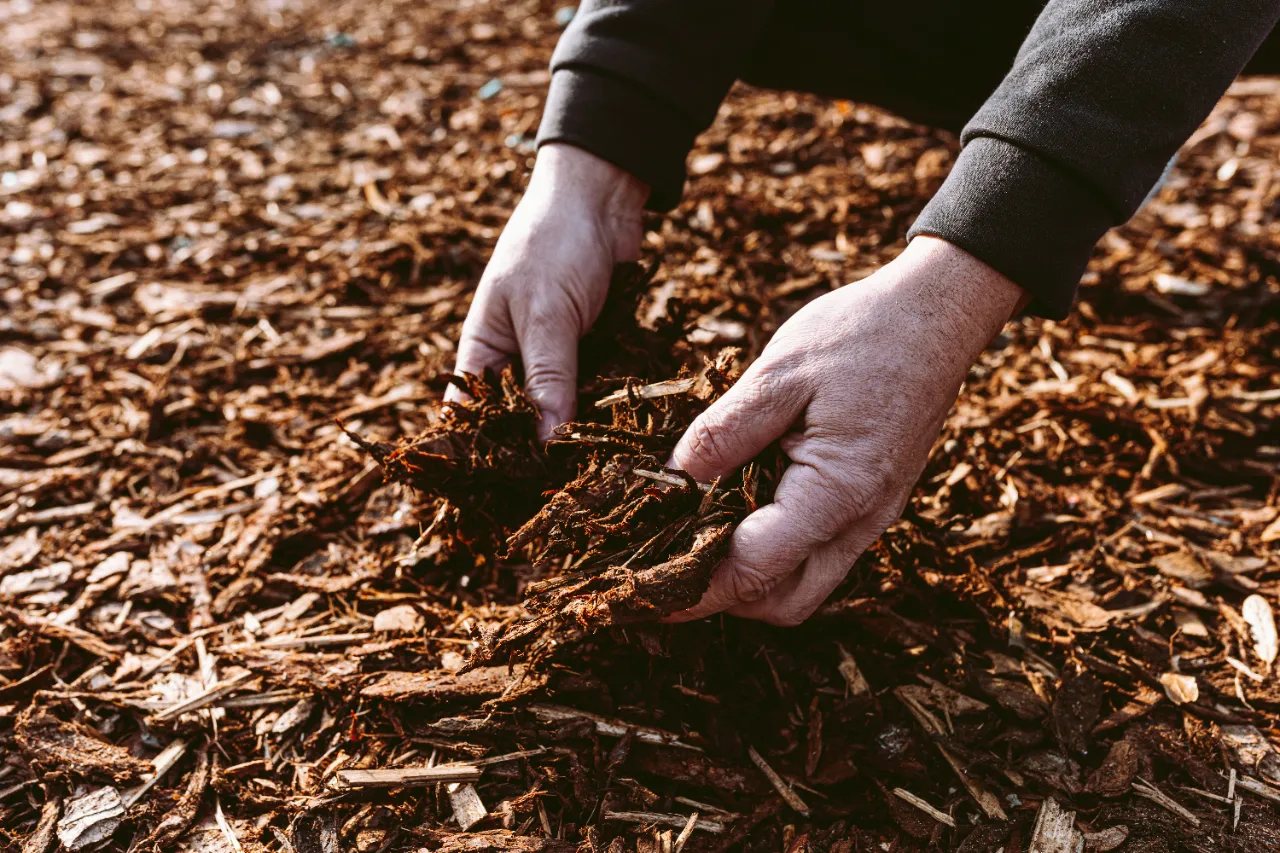
Every Putnam County mulching project we complete receives the same professional standard we apply throughout our service territory — quality shredded hardwood mulch, 2-to-3-inch maximum depth, proper crown and trunk clearance, and clean bed edge maintenance. The challenging growing conditions that Putnam County's terrain creates do not reduce our service quality — they create the urgency that makes professional mulching more important in this region than in communities with more forgiving soil and climate conditions.
DEC awareness for mulching near Putnam County water bodies is part of our standard lakefront service approach — maintaining appropriate setback from water's edge when applying mulch near lakefront properties, and directing blowdown discharge away from water bodies. This environmental awareness protects the water quality of Lake Mahopac, Lake Gleneida, and other Putnam County water bodies from the organic material contribution that mulch runoff near shorelines can create.