Professional Mulching Services in Chappaqua, NY
Chappaqua's New Castle woodland setting creates mulching conditions that require understanding the specific needs of shade garden beds under established canopy. Woodland garden beds in partial to full shade have different moisture management needs than open-sun beds — the canopy intercepts significant rainfall before it reaches the soil surface, creating conditions where soil moisture is actually lower under established canopy than in adjacent open areas. This means that mulch in shaded Chappaqua beds serves a more important moisture retention function than might be expected, and correct depth management is even more critical for maintaining the plant health benefits that mulching provides.
Mulching under established canopy in Chappaqua's woodland garden beds requires awareness of the root zone conditions specific to this environment. The surface soil beneath mature oaks and hickories is dominated by fine feeder roots from these established trees — roots that compete aggressively with garden plants for water and nutrients, and that need adequate gas exchange at the soil surface to function. Applying mulch in these areas at the standard 2-to-3-inch depth is appropriate, but ensuring that the mulch is positioned to complement rather than bury these fine root systems requires the careful application technique that professional mulching provides.
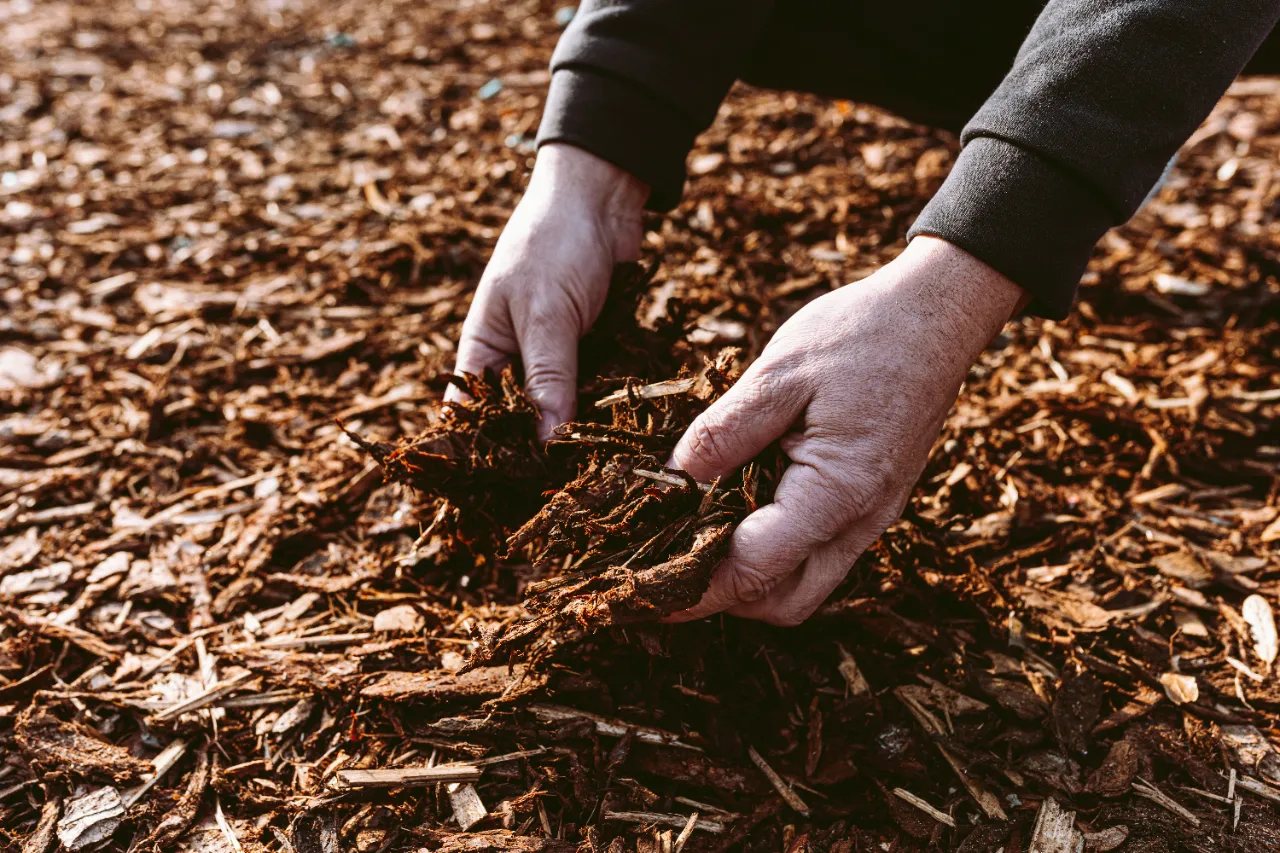
Bark mulch selection for Chappaqua's woodland garden beds considers the aesthetic compatibility of the mulch material with the naturalistic character of the planting. Dark, fine-textured shredded hardwood mulch reads as a natural extension of the woodland floor aesthetic that characterizes Chappaqua's residential gardens — it integrates visually with the shade plants and creates a unified, naturalistic appearance that complements the wooded setting. Chunky nugget mulch or brightly colored dyed mulch products look incongruous in a woodland garden setting and should be avoided for Chappaqua's shaded bed areas.
Chappaqua's large canopy trees — white oak, shagbark hickory, and red maple are particularly prominent throughout New Castle — benefit from mulched root zones that protect the surface root system from the mechanical damage of lawn equipment and the temperature extremes of Westchester County winters. We apply tree ring mulch to Chappaqua's canopy trees in the flat donut pattern — 2 to 3 inches deep across a ring extending 3 to 4 feet from the trunk minimum — with a clear space of 2 to 3 inches around the bark. This standard protects the cambium from the moisture exposure and pest access that mulch contact with bark creates.
Hickory trees in Chappaqua require particular care during mulching — this species is somewhat sensitive to changes in the soil conditions immediately around the trunk and benefits from mulch application that respects the existing grade at the root flare. We never pile mulch against hickory trunks or significantly alter the grade around the root collar of established hickory specimens. These considerations apply broadly to all Chappaqua canopy trees, but hickory is a species where we are particularly deliberate about maintaining the pre-existing conditions at the root crown throughout the mulching process.
Chappaqua's premium residential character places a high standard on all landscape services — mulching included. Quality mulch material, correct depth application, clean bed edges, proper volcano prevention, and the professional presentation of freshly mulched beds are all expectations that Chappaqua homeowners bring to mulching service. Meeting this standard requires trained crew with the horticultural knowledge to recognize when mulch conditions are incorrect and the craft discipline to apply product correctly regardless of the pressure to work quickly.
New Castle's spring season creates a mulching window that may be slightly later than more southern Westchester communities due to the woodland character that keeps soil temperatures cooler longer into spring. We calibrate Chappaqua mulching timing to the actual conditions of each season — mulching after perennials have clearly emerged and before weed germination pressure intensifies, rather than following a fixed calendar date that may not align with actual soil and plant conditions in New Castle's specific microclimate.