Professional Retaining Wall Installation in New York
Sloped properties are common throughout Westchester and Putnam County, and retaining walls are one of the most effective solutions for managing grade changes, preventing erosion, and creating usable flat areas in your landscape. A properly built retaining wall does more than hold soil — it channels water, prevents washout during heavy rain, and provides a stable foundation for the terrain above it. At Morales Lawn & Garden LLC, we design and install retaining walls that are engineered for the specific conditions of your property and built to withstand the demands of New York's climate.
Retaining wall construction in New York requires more than stacking stone. The freeze-thaw cycle that Westchester and Putnam County experience every winter puts enormous pressure on retaining structures. Water behind a wall that has no drainage path builds hydrostatic pressure that can push even a heavy stone wall outward over time. Frost heave from inadequately prepared bases can cause wall sections to shift and fail within a few seasons. Our retaining wall installations include proper excavation, compacted gravel base, drainage aggregate backfill, and drainage tile where needed to ensure long-term structural performance.
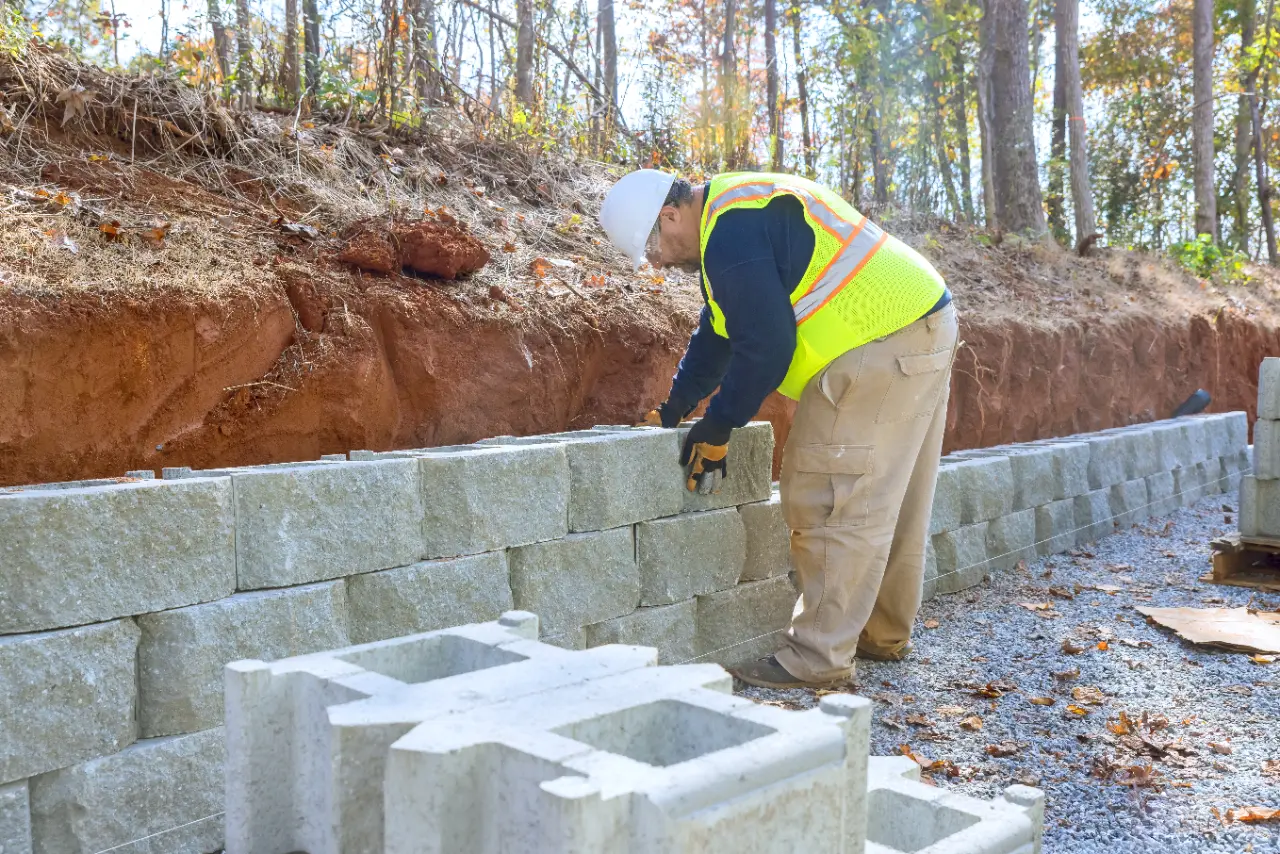
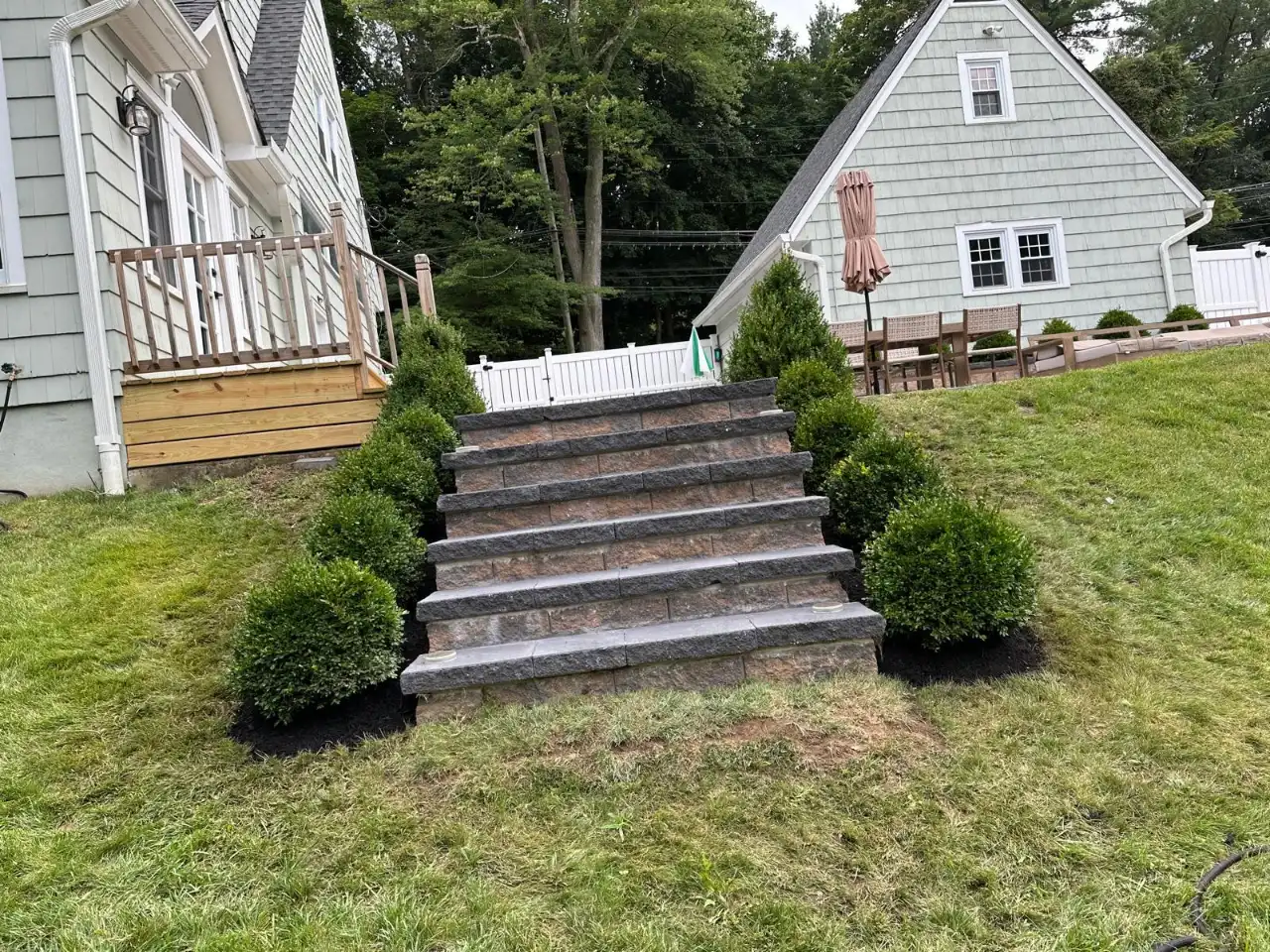
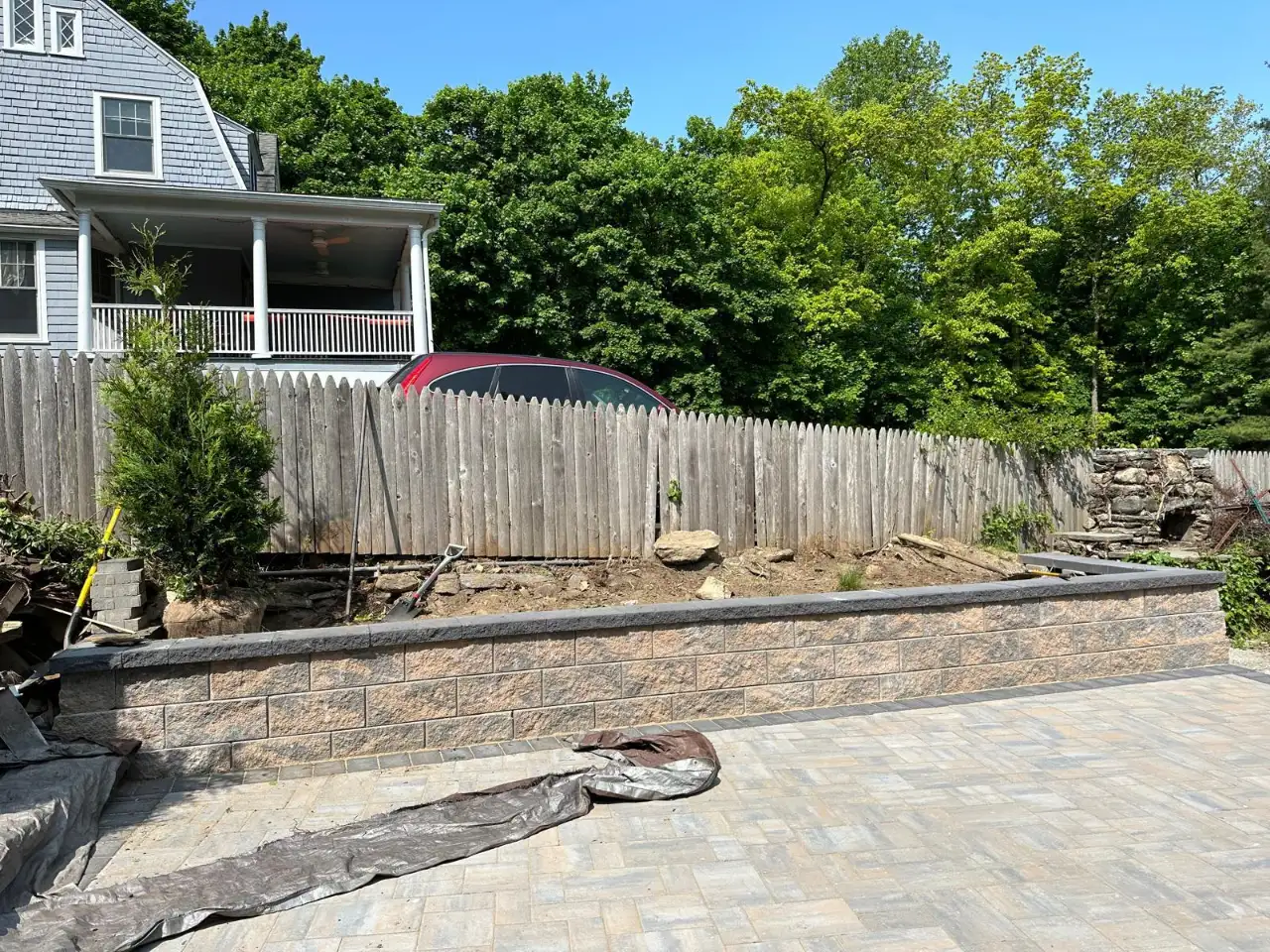
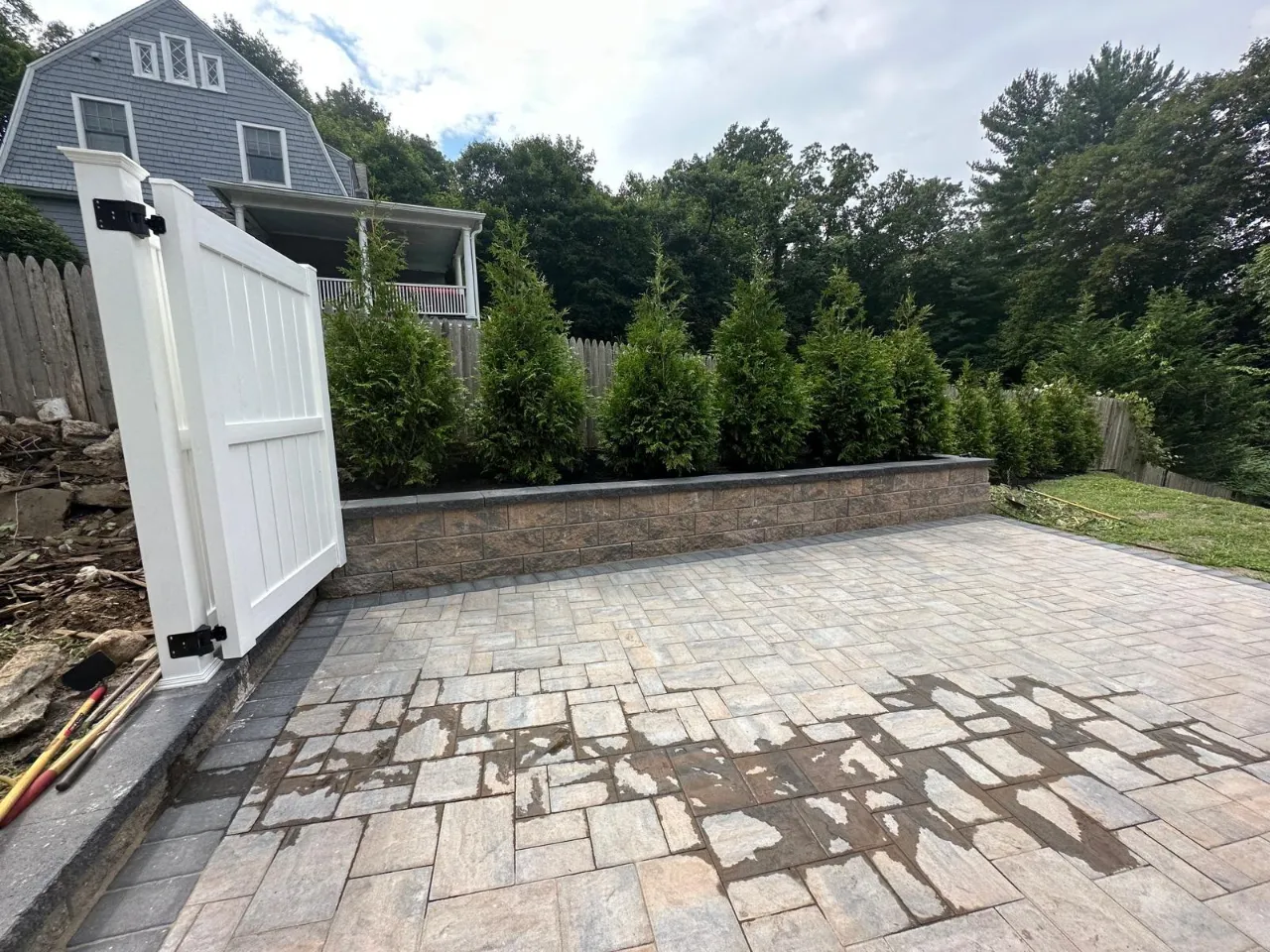
We build retaining walls in natural fieldstone, cut stone, and segmental retaining wall block depending on the structural requirements, design aesthetic, and budget of each project. Natural stone walls complement the character of older New England-style homes common in Armonk, Bedford, and Chappaqua. Segmental block walls offer engineering advantages for taller walls and more formal designs. Every retaining wall project starts with a free on-site consultation and written estimate. We assess the slope, soil conditions, drainage patterns, and proximity to structures before recommending the right wall type and approach for your property.
Retaining Wall Construction in Westchester & Putnam County
The foundation of any retaining wall is the base. We begin every installation by excavating below the frost line — which in Westchester and Putnam County can reach 36 to 42 inches — to prevent frost heave from pushing the wall out of alignment. We then install a compacted gravel base layer that promotes drainage and distributes the wall's load evenly across stable ground. For segmental block walls, we add a concrete footing where structural requirements demand it. This thorough base preparation adds time to the project but eliminates the root cause of most retaining wall failures.
Drainage is the most critical design element of any retaining wall. Water that collects behind a wall with no outlet path creates hydrostatic pressure that increases dramatically with wall height. For walls above 18 inches, we install drainage aggregate — crushed stone backfill — directly behind the wall to allow water to move freely downward. For taller walls or sites with significant water infiltration, we add perforated drainage pipe at the base of the wall and direct it to a discharge point away from structures. Proper drainage is what separates a retaining wall that lasts from one that fails.
Tiered retaining walls are an effective solution for steep slopes that a single wall cannot manage safely. By stepping the grade in two or three levels with planting beds or lawn areas between walls, we create a stable, attractive landscape that eliminates erosion, increases usable outdoor space, and provides planting opportunities on slopes that were previously unusable. Tiered walls also distribute the retained load across multiple structures, reducing the engineering demands on any single wall. We design tiered systems during the site consultation based on the slope grade and the homeowner's goals for the space.
Retaining Wall Repair and Reconstruction in New York
Failing retaining walls are a common issue on older Westchester and Putnam County properties. Signs of a wall in distress include visible outward lean or bulge, displaced or missing stones, mortar joint deterioration, poor drainage at the base, and erosion above or below the wall. When these signs appear, prompt assessment and repair are critical. A wall that has begun to lean or bulge has lost its structural equilibrium, and the problem will not resolve on its own — it will continue to worsen until the wall fails or is repaired by a qualified contractor.
Our retaining wall repair process begins with a thorough structural assessment. We evaluate the wall's lean, drainage conditions, base integrity, and the extent of displacement before recommending repair or reconstruction. Minor displacement and drainage issues can often be corrected with targeted repairs — resetting displaced stones, improving base drainage, and adding drainage tile. When the base has failed or wall sections have shifted significantly, partial or full reconstruction is the more reliable long-term solution. We explain the options clearly, including the cost and expected longevity of each approach, so homeowners can make informed decisions.
Reconstructed retaining walls are built to current standards — which means they are built better than most original installations from 20 to 40 years ago. Properties across Westchester and Putnam County have walls that predate modern drainage standards and base preparation practices. When we reconstruct a failing wall, we address the root cause of the failure, not just the symptoms. The result is a wall that will last significantly longer than the original and requires far less maintenance going forward. We stand behind our retaining wall construction with a commitment to lasting, professional results.
Why Retaining Wall Quality Matters in New York
New York's climate is particularly harsh on retaining walls. The combination of heavy spring rainfall, summer humidity, and repeated freeze-thaw cycles throughout winter puts continuous stress on wall materials, mortar joints, and drainage systems. A wall built without proper drainage will accumulate hydrostatic pressure with every rain event. A wall built without adequate base depth will experience frost heave every winter. These are not minor issues — they are the primary reasons most retaining walls fail within 10 to 15 years of installation. Proper construction from the start is the only reliable path to a durable, long-lasting wall.
Many municipalities in Westchester and Putnam County require building permits for retaining walls above a specified height — typically 4 feet in most jurisdictions. Walls near property lines, within easements, or adjacent to public right-of-way may require permits regardless of height. Failing to obtain required permits can result in stop-work orders, fines, required demolition of completed work, and disclosure requirements when selling your property. Morales Lawn & Garden is familiar with permit requirements across the communities we serve and advises homeowners on what is needed before any work begins. We do not start permitted work without required approvals.
A failing retaining wall is more than a maintenance issue — it is a liability. If a wall collapses and causes injury or property damage, the homeowner may be legally responsible. Working with an unlicensed, uninsured contractor adds significant financial risk: if something goes wrong during construction or if the wall fails prematurely due to poor workmanship, you have no recourse. Morales Lawn & Garden is fully licensed and insured for all retaining wall work in New York State. Every project is built to code, properly permitted where required, and backed by full professional accountability.