Professional Garden Design & Maintenance in New York
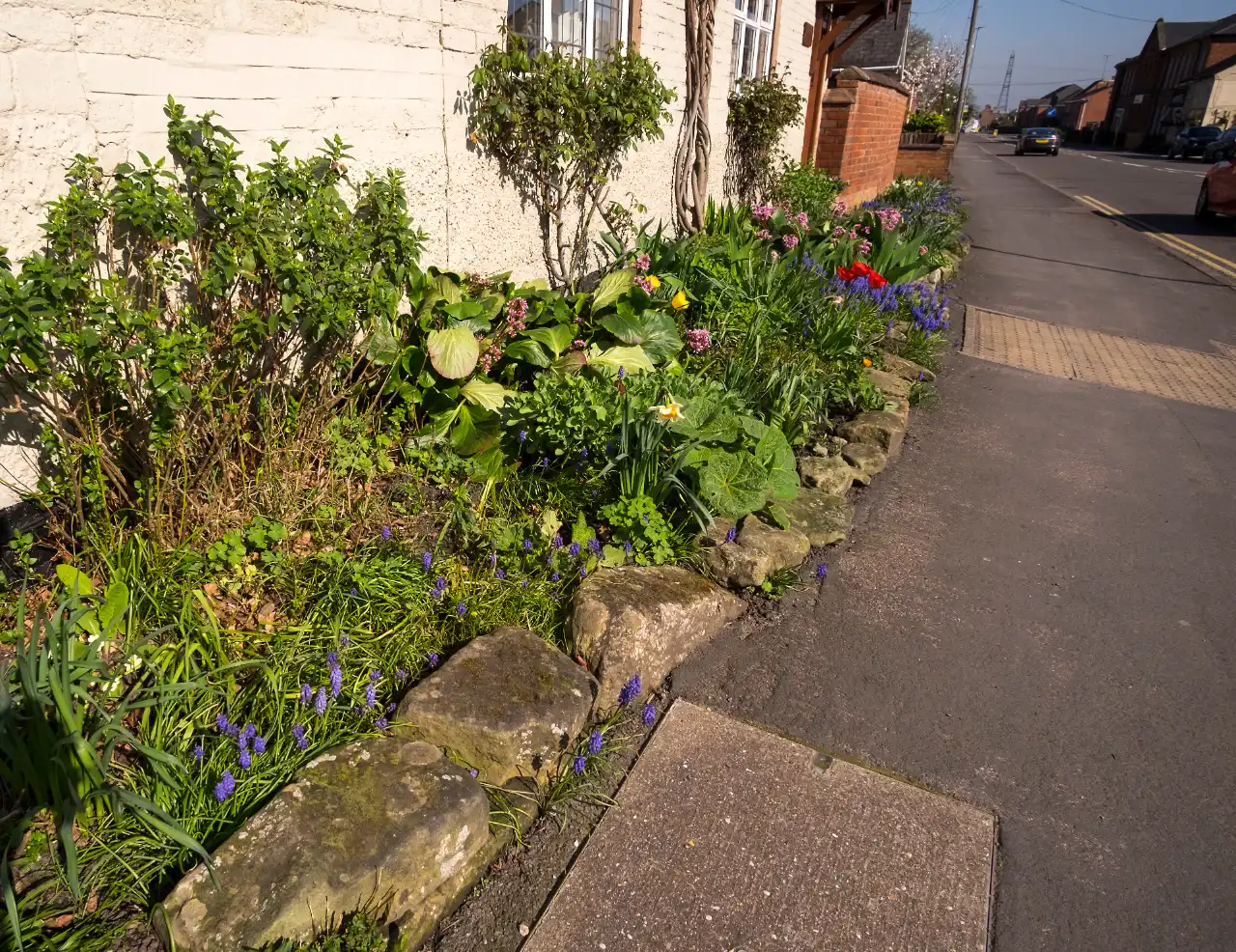
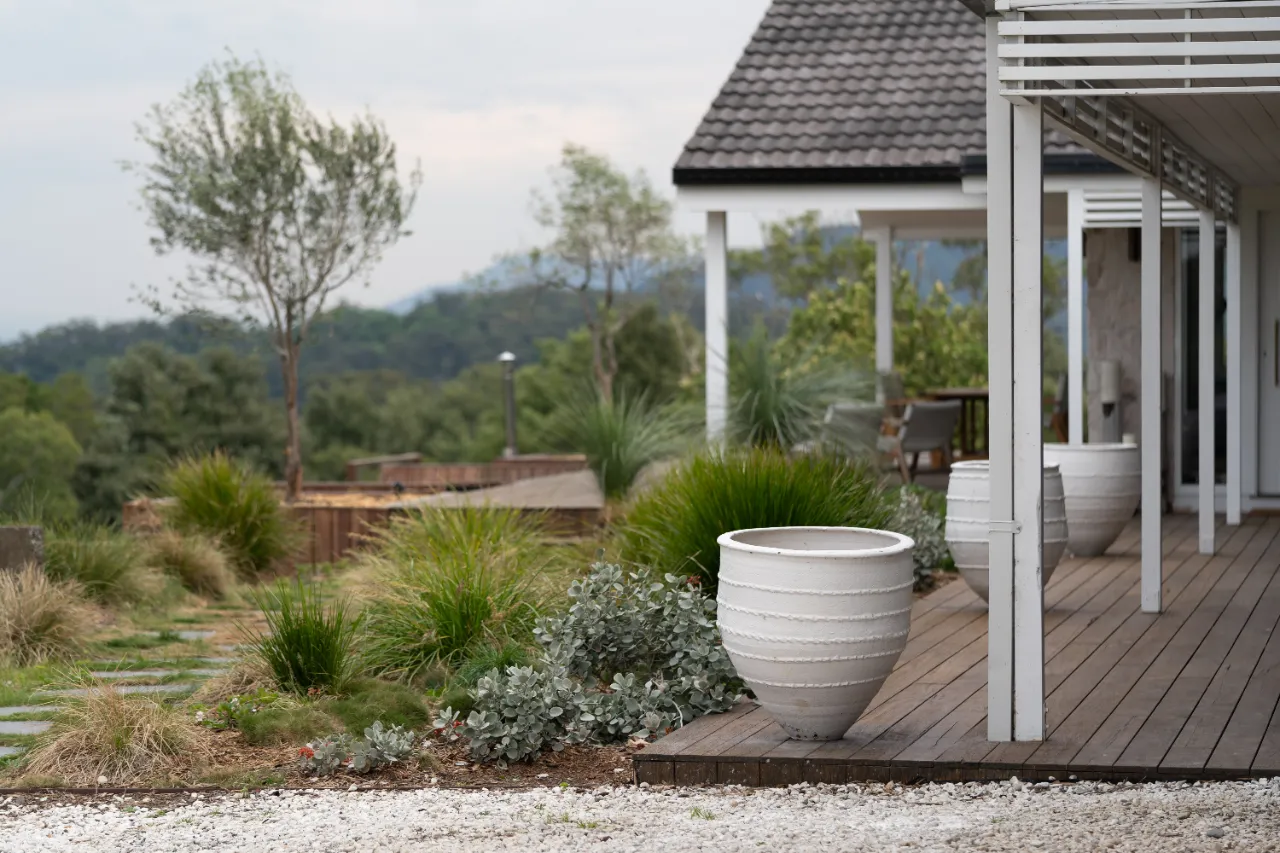
A well-designed garden bed transforms the outdoor spaces around your home — adding structure, color, texture, and seasonal interest that no lawn alone can provide. Whether you want a classic perennial border along a fence line, a formal boxwood-edged entry bed, a cottage-style mixed planting, or a low-maintenance native plant garden, Morales Lawn & Garden LLC has the design knowledge and installation experience to make it happen. We serve residential properties throughout Westchester and Putnam County, New York, and we bring the same level of care to every garden project, large and small.
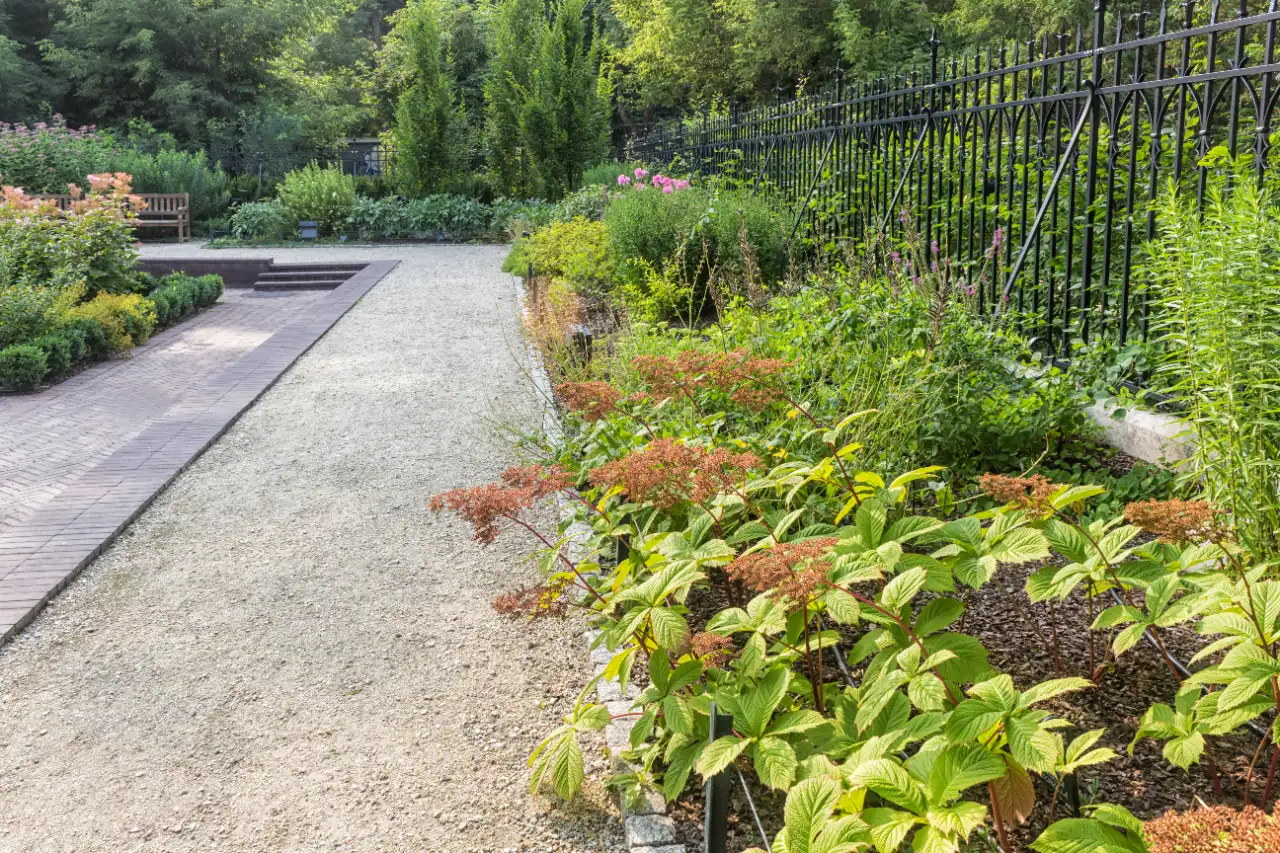
New York's growing season — roughly May through October in Westchester and Putnam County — requires thoughtful plant selection and bed design to achieve interest throughout the entire period. A garden that peaks in June and fades by July is a missed opportunity. We select plants that stagger bloom times, layer heights, and provide foliage interest even when not in flower, so your garden looks intentional and attractive from the first spring growth through the last fall color. This layered, season-long approach to design is what separates a professionally designed garden from a collection of plants.
We offer garden design and installation as a one-time project, and we also provide ongoing garden maintenance on a seasonal or annual basis for homeowners who want their beds to remain in top condition without doing the work themselves. Our maintenance programs include weeding, deadheading, division of overcrowded perennials, seasonal plant replacement, and bed edging to maintain clean lines throughout the season. Every estimate is free and provided in writing. We serve properties across Mt. Kisco, Armonk, Bedford, Chappaqua, Somers, Mahopac, and the broader Westchester and Putnam County area.
Garden Bed Design and Installation in Westchester & Putnam County
Every garden design begins with a site assessment. We evaluate sun exposure at different times of day, soil drainage and quality, existing plants and structures, views from inside and outside the home, and the homeowner's vision and maintenance preference. A garden that looks beautiful but requires hours of weekly maintenance may not be the right solution for a busy household. We ask the right questions before recommending any plants or design — because the best garden is one that fits your property, your lifestyle, and your willingness to maintain it over time.
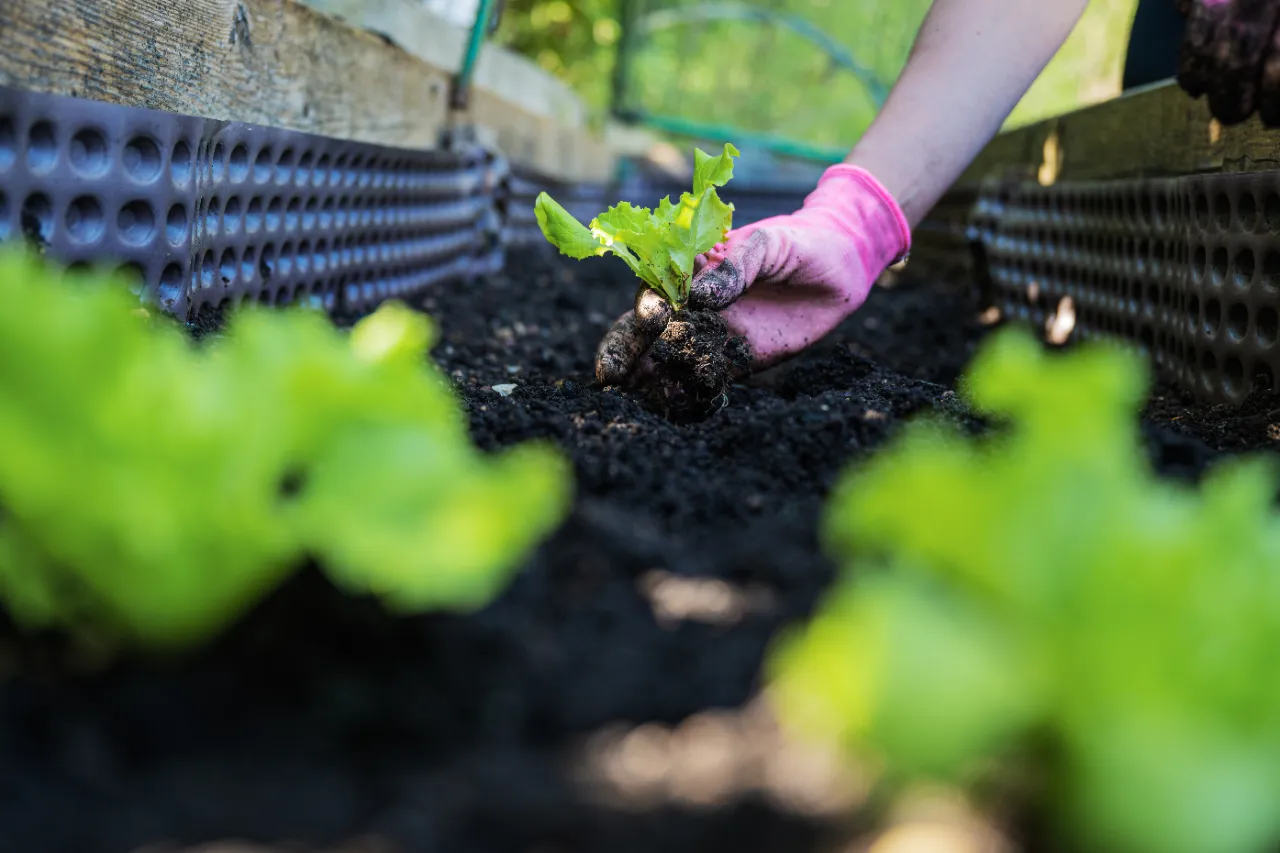
Bed preparation is the foundation of a successful garden installation. We start by removing existing vegetation, tilling or loosening compacted soil, and amending with compost or topsoil where needed to create a healthy planting environment. Bed edges are defined with clean cuts or edging materials that create a clear boundary between the garden and the lawn. We then install plants according to the design — spacing for mature size, layering by height from back to front, and grouping for visual impact rather than spacing evenly in rows, which produces a stiff, unnatural appearance.
After installation, we apply a 2 to 3 inch layer of shredded hardwood mulch throughout the bed. Mulch retains soil moisture to reduce irrigation needs during dry summer periods, suppresses weed germination, moderates soil temperature, and gives the bed a clean, finished appearance. We keep mulch away from plant crowns and stems to prevent moisture-related rot — a detail that matters especially in New York's humid summers. The finished installation is watered in thoroughly and left with written care instructions for the homeowner on what to expect during establishment.
Garden Bed Maintenance and Seasonal Care in New York
Garden maintenance is an ongoing commitment that determines whether your garden looks better every season or gradually declines into a weedy, overgrown mess. Our maintenance programs include spring garden cleanup and preparation — removing winter debris, cutting back dormant perennials, and freshening mulch — followed by regular weeding throughout the growing season to prevent weed competition from robbing your plants of water and nutrients. We also deadhead spent flowers to encourage reblooming on appropriate species, and we monitor plant health throughout the season.
Mid-season garden care keeps your beds looking their best through the peak summer months when heat and humidity create challenges for New York landscapes. We weed, edge, and assess plantings during each maintenance visit, making note of any plants that are struggling and recommending intervention before minor issues become major losses. Overgrown perennials are divided to prevent overcrowding, which reduces flowering and makes plants susceptible to disease and pests. Plants that have underperformed or died are flagged for replacement before the fall planting season.
Fall garden preparation is one of the most important maintenance tasks of the year. We cut back spent perennials, remove annual plants that have finished for the season, divide overcrowded clumps, apply a fresh layer of mulch to protect root systems through the winter, and plant spring-blooming bulbs where desired for early season interest. Leaving garden beds properly prepared for winter gives perennials the best chance of returning strong in spring and reduces the amount of cleanup required when the growing season begins again.
Why Garden Quality and Design Matter in New York
New York's climate — cold winters, humid summers, and unpredictable spring weather — makes plant selection for garden beds more demanding than in more temperate regions. Plants that perform beautifully in Zone 7 gardens further south may struggle with winter dieback in Westchester County's Zone 6 conditions. Conversely, plants marketed as full-sun performers in drier climates may develop foliar disease in New York's humid July and August conditions. Professional garden design knowledge — knowing which plants are proven performers in this specific regional climate — is the most reliable path to a garden that looks great year after year.
Weed pressure is a significant challenge in garden beds throughout Westchester and Putnam County. Common invasive weeds including garlic mustard, Japanese knotweed, and bittersweet vine spread aggressively from surrounding natural areas into residential garden beds. Without consistent management, these weeds can overtake a garden bed in a single growing season, crowding out ornamental plants and requiring significant intervention to remove. Our maintenance programs address weed pressure on a regular schedule — preventing weeds from establishing, setting seed, or spreading beyond the garden.
A professionally designed and maintained garden significantly increases the perceived value and curb appeal of residential properties across Westchester and Putnam County. Real estate professionals consistently note that well-maintained landscapes — including garden beds that look intentional, healthy, and cared-for — improve first impressions and can positively influence property values in competitive markets. Whether you are preparing to sell or simply want to enjoy a beautiful outdoor space, investing in professional garden design and maintenance delivers visible, lasting returns.